Unlocking success: 7 essential features your course facilities need
Unlocking success: 7 essential features your course facilities need
Creating a course that captivates and engages learners requires more than just a well-structured curriculum. The physical and technological aspects of your course facilities play a crucial role in enhancing the learning experience. Here are seven essential features that your course facilities should have to unlock success for both instructors and students.
1. Flexible Learning Spaces
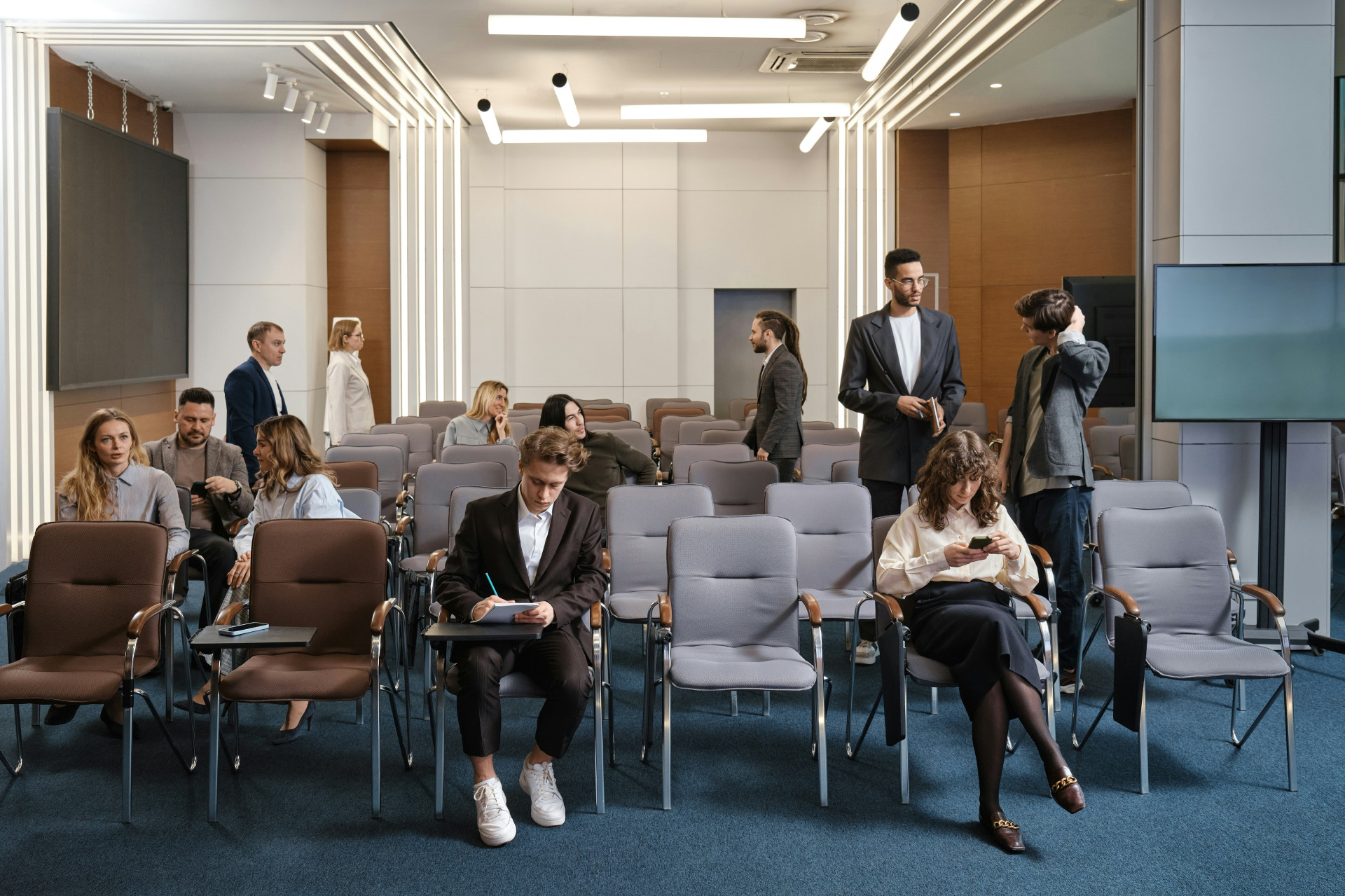
Flexibility in learning spaces is vital. Classrooms should be easily adaptable to accommodate various teaching styles and group sizes. This means having movable furniture, such as desks and chairs, that can be easily reconfigured for lectures, group activities, or individual work. Additionally, consider incorporating different types of spaces like breakout rooms, lounges, and outdoor areas to cater to diverse learning needs.
2. Modern Technology Integration
In today’s digital age, integrating modern technology into your facilities is essential. Ensure that classrooms are equipped with interactive whiteboards, projectors, and high-speed internet. Providing students with access to tablets or computers can foster interactive learning. It’s also beneficial to have software that enables virtual collaboration among students and between students and instructors.
3. Adequate Lighting and Ventilation
Lighting and ventilation are often overlooked elements that significantly impact the learning environment. Natural light has been shown to enhance mood and productivity. Therefore, incorporating large windows and skylights into classroom designs is beneficial. Additionally, ensuring proper ventilation improves air quality, making the environment more comfortable for prolonged periods of study.
4. Accessible Resources
Your course facilities should be equipped with accessible resources that support student learning. This includes a well-stocked library, study rooms, and technology hubs where students can access additional materials and support. Consider providing online resources, such as e-books and databases, to facilitate research and learning outside the classroom.
5. Comfortable and Ergonomic Furniture
Comfortable seating and ergonomic furniture can significantly affect students focus and engagement. Selecting chairs and desks that promote good posture can enhance comfort during long periods of sitting. Additionally, furniture that caters to diverse body types and learning preferences can create a more inclusive environment.
6. Supportive Infrastructure for Collaboration
Collaboration is a key component of modern education. To foster this, create infrastructure that encourages teamwork and cooperation. This can include spaces designed specifically for group work, such as collaborative desks, writable walls, and technology that enables group presentations. Having resources that facilitate brainstorming and group discussions can enhance the overall learning experience.
7. Community Spaces for Networking
Finally, it’s important to design facilities that include community spaces where students and faculty can interact outside of formal learning environments. This could be a café, a lounge area, or even gardens where students can relax and socialize. Creating a sense of community can enhance networking opportunities, inspire collaboration, and increase student satisfaction.
Incorporating these seven essential features into your course facilities can transform the learning experience, making it more engaging and conducive to success. By prioritizing flexibility, technology, comfort, and collaboration, you set the stage for an enriching educational journey. Invest in your facilities to create an environment where both students and instructors can thrive.


