Transform your training with inspiring course rooms today
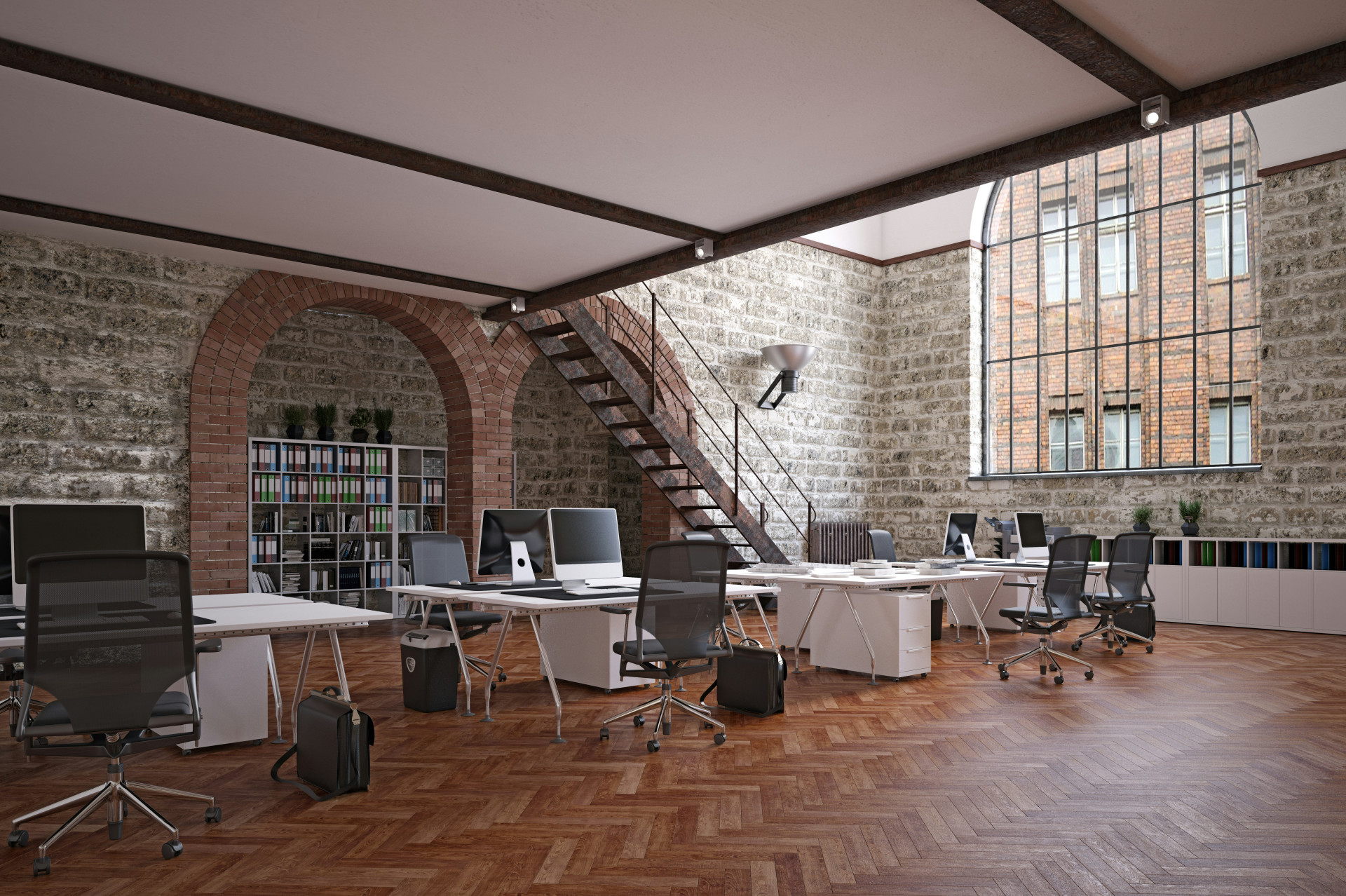
Transform your training with inspiring course rooms today
The Importance of Learning Environment
In the rapidly evolving landscape of education and professional development, the learning environment plays a crucial role in how effectively individuals absorb and retain knowledge. Studies have shown that a well-designed course room can significantly enhance motivation, creativity, and engagement among learners. Inspirational course rooms draw on a variety of elements, from aesthetics to technology, that foster an inviting atmosphere conducive to learning.
Key Elements of Inspiring Course Rooms
To create a truly inspiring course room, several key elements must be considered. These features not only contribute to the aesthetics of the room but also enhance the functionality of the learning experience.
- Aesthetics: Color schemes, lighting, and furniture layout all play pivotal roles. Warm colors can create an inviting atmosphere, while adequate lighting ensures comfort for extended study sessions.
- Flexible Seating: Allowing learners to choose their seating arrangements encourages collaboration and boosts interaction. Consider incorporating seating options like bean bags, standing desks, or traditional desks arranged in a circular layout.
- Technology Integration: Utilize both hardware and software tools to facilitate learning. Smartboards, tablets, and projection systems can enhance presentations and foster interactivity.
Encouraging Collaboration and Interaction
Inspiring course rooms are not just about aesthetics; they emphasize collaboration and interaction among learners. The layout should encourage group discussions and teamwork, promoting a more engaged learning community.
To achieve this, consider creating breakout areas where small groups can convene without interrupting others. Incorporate whiteboards or chalkboards in these spaces, allowing learners to brainstorm and visualize their thoughts collaboratively.
Incorporating Nature and Well-Being
Another vital element in transforming training spaces is the integration of nature. Studies suggest that incorporating natural elements, such as plants or views of outdoor spaces, can significantly enhance well-being and concentration. Nature has a calming effect and can reduce stress, which is particularly important in an educational environment.
Consider a course room with large windows that allow natural light to flood in or a designated area with indoor plants. This greenery not only improves air quality but also provides a sense of tranquility that can boost focus and creativity.
Fostering a Growth Mindset
Transforming a course room into an inspiring space goes beyond physical changes; it’s also about instilling a culture of growth. Encourage learners to embrace creativity, resilience, and curiosity. Visual reminders, such as motivational quotes and success stories, can create an atmosphere that celebrates learning and personal development.
Incorporating regular feedback sessions allows individuals to reflect on their learning journey. This practice not only promotes self-awareness but also nurtures a continuous improvement mindset, which is essential in today’s ever-changing world.
Utilizing Creative Technology
In our digital age, technology is a powerful ally in transforming training experiences. From virtual reality (VR) simulations to gamified learning platforms, the possibilities are endless. These tools not only capture attention but also provide immersive learning experiences that traditional methods often lack.
By integrating creative technology, you can simulate real-world scenarios, allowing learners to apply their knowledge practically. Combine this technology with inspiring course room designs to create a holistic learning environment aimed at maximizing potential.
Personalizing Learning Experiences
Finally, the opportunity to personalize learning experiences should not be overlooked. Every learner has unique preferences and learning styles. An inspiring course room should cater to these differences by allowing for various forms of engagement, whether visual, auditory, or kinesthetic.
Consider offering multiple resources and pathways for completing tasks. This autonomy not only increases motivation but also empowers learners to take ownership of their educational journey.
A Continuous Journey of Improvement
Transforming a training space is an ongoing process. Regularly seeking feedback from learners about their experiences can help identify what is working and what can be improved. As educational methods evolve, so too should the environments in which they are taught.
With a commitment to creating an inspiring course room, educators and organizations can nurture a culture of engagement and curiosity, ensuring that every training session leaves a lasting impact.”


