How can office hotels revolutionize your workspace experience?
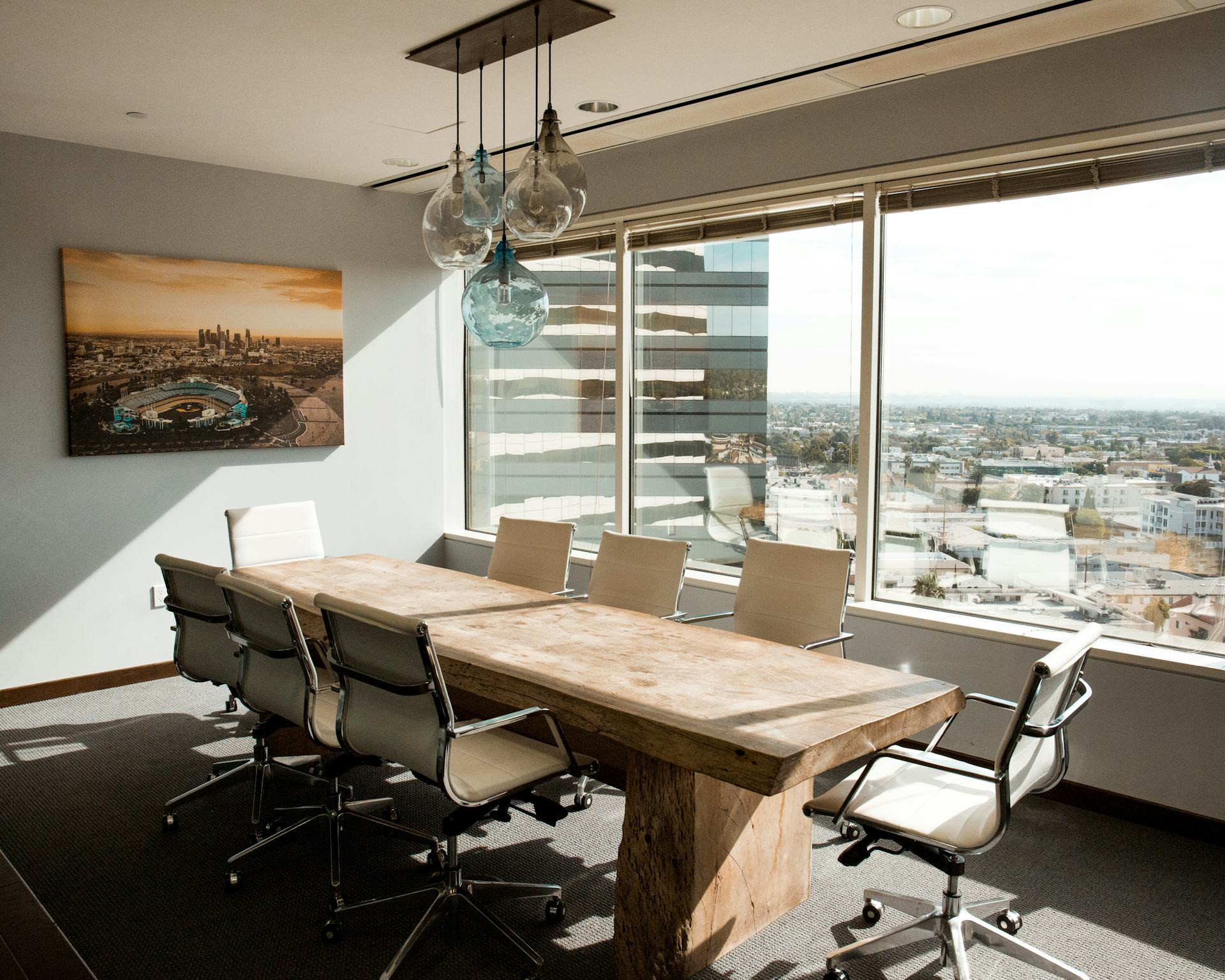
How can office hotels revolutionize your workspace experience?
In an era where flexibility, productivity, and comfort dictate how we approach our work environments, the concept of office hotels has emerged as a game-changer. Combining elements of traditional office space with the amenities and services typical of a hotel, office hotels promise a workspace experience that is not only efficient but also tailored to the needs of modern professionals. Let’s explore how office hotels can significantly enhance your workspace experience.
The Evolution of Workspaces
Traditionally, workspaces have been rigid structures, often characterized by assigned desks and cubicles. However, the shift towards remote work and flexible schedules has pushed the boundaries of how and where we work. Office hotels represent the next step in this evolution, providing versatile spaces that can be rented on a short-term basis.
This adaptability is crucial in today’s fast-paced world. Professionals are looking for environments that can accommodate different working styles, meetings, and collaborative efforts—all under one roof.
Flexibility and Accessibility
One of the standout features of office hotels is their flexibility. Unlike conventional office leases that often require lengthy commitments, office hotels allow businesses and freelancers to rent space as needed. This means you can lease a conference room for an important meeting today and a quiet workspace for focused tasks tomorrow.
Moreover, many office hotels offer 24/7 access. This is particularly beneficial for those who thrive outside of the standard nine-to-five hours, providing the comfort of working whenever inspiration strikes.
Cutting-Edge Amenities
Office hotels package workspaces with a multitude of amenities designed to enhance productivity. High-speed internet, premium ergonomic furniture, and modern office equipment are standard. Many even provide additional conveniences such as on-site coffee bars, snack stations, and wellness areas.
Moreover, many office hotels feature networking events and workshops, creating opportunities for professionals to connect and collaborate. This unique blend of services makes them not just workspaces, but community hubs for professionals across various industries.
Enhanced Collaboration and Networking
In traditional office environments, the scope for collaboration can be limited. Office hotels, on the other hand, bring together professionals from different sectors in a shared environment. This diverse mix can lead to innovative ideas, partnerships, and collaborations.
Many office hotels create communal areas designed for social interaction, brainstorming sessions, and networking. Engaging in these spaces can lead to fruitful discussions that might not happen in isolation or within the walls of a conventional office.
A Focus on Wellbeing
Incorporating wellbeing in the workplace is increasingly recognized as vital for productivity. Office hotels typically embrace this philosophy by offering spaces that prioritize comfort and relaxation. From lounge areas to quiet rooms, these spaces are designed to recharge not just your body, but your mind as well.
Some office hotels even include features such as wellness programs, fitness centers, and meditation areas, cultivating a holistic approach to work that fully supports mental and physical health.
Cost-Effectiveness and Financial Flexibility
Operating a traditional office can be a costly endeavor, with expenses associated with rent, utilities, and maintenance. Office hotels provide a more cost-effective solution, particularly for startups and freelancers who may not have the capital for a full-time office.
By utilizing office hotels, companies can allocate funds to growth and development instead of overhead costs. This financial flexibility can lead to better resource management and increased business agility.
Technology at Your Fingertips
As technology plays an increasingly vital role in business efficiency, office hotels are adapting to meet these demands. They often come equipped with the latest technology to facilitate seamless operation, including smart conference rooms and integrated tech systems.
Additionally, the presence of IT support ensures that professionals have assistance readily available. This focus on technology not only saves time but allows users to concentrate on their core tasks without tech-related distractions.
In summary, office hotels are revolutionizing the workspace experience by offering a blend of flexibility, modern amenities, and a focus on collaboration and wellbeing. As they continue to gain popularity, the way we think about workspaces is evolving, paving the way for a future where work adapts to our lives, rather than the other way around.


