Aesthetics Meets Functionality: The Balance in Modern Event Production

Aesthetics Meets Functionality: The Balance in Modern Event Production
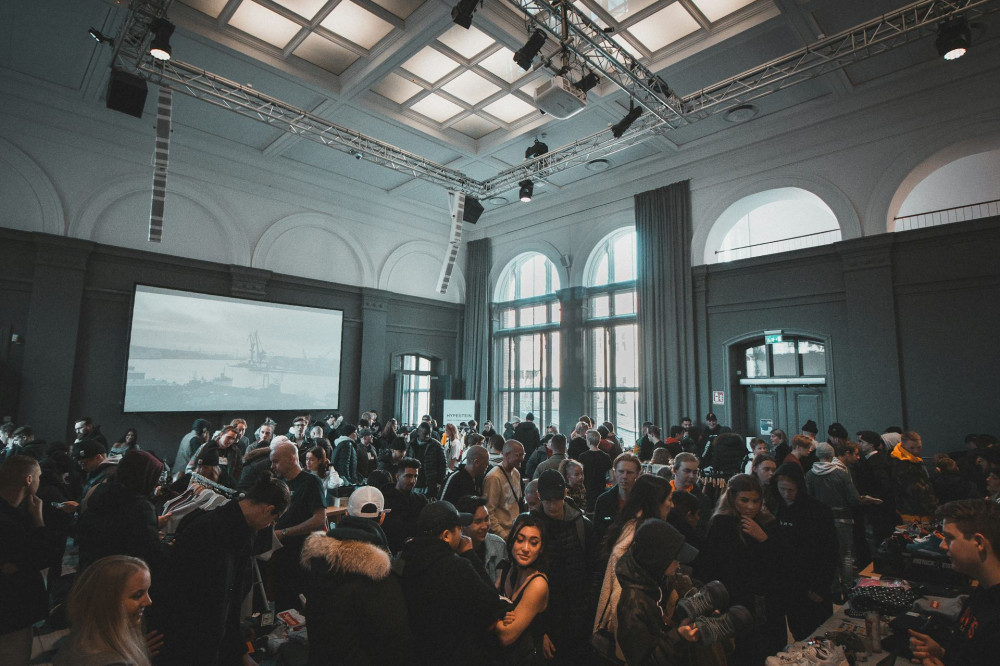
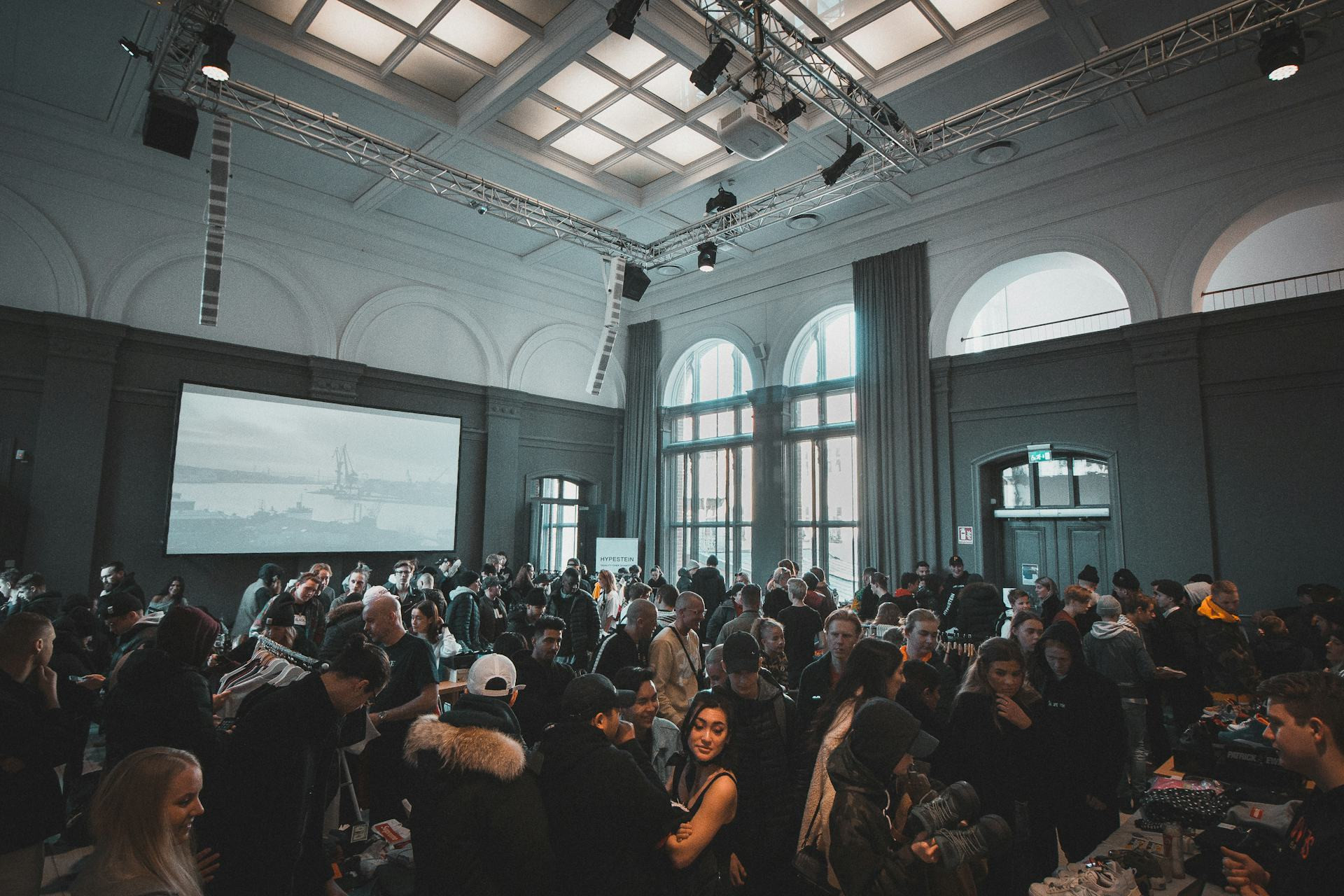
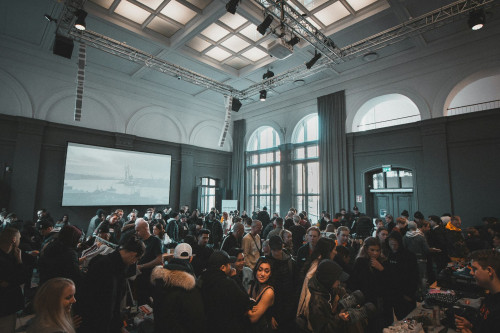
When you walk into a well-produced event—whether it’s a corporate conference in Toronto, a music festival in British Columbia, or a product launch in Montréal—you can feel it immediately. The atmosphere, lighting, sound, and flow come together seamlessly. Behind that effortless experience lies meticulous planning, where aesthetics and functionality must be perfectly balanced. In modern event production, it’s not just about creating something visually stunning—it also has to work smoothly for guests, technicians, and organizers alike.
The Holistic Experience
Today’s audiences expect more than a schedule and a few branded banners. They want an immersive experience that engages all senses. That means design, sound, lighting, staging, and logistics must be integrated from the very beginning. A beautiful setup loses its impact if guests can’t navigate the space or if the sound is muddled by background noise.
Many Canadian event producers now work from a holistic perspective: every detail—from the tone of the invitation to the way guests move through the venue—should tell a consistent story. Achieving that requires close collaboration between creative designers, technical specialists, and project managers.
Functionality as the Foundation
While aesthetics often steal the spotlight, functionality is what makes an event actually work. It covers everything from power supply and accessibility to safety, scheduling, and staffing. A stunning stage design is meaningless if it can’t be built safely or if the technical setup doesn’t fit the space.
That’s why many producers start with the practical framework: How many attendees will there be? How will they move through the venue? Where should catering, coat check, and emergency exits be located? Once those essentials are in place, the aesthetic layer can be added—enhancing the experience without compromising operations.
Design with Purpose
In modern event production, design is not just decoration—it’s communication. Colours, materials, and lighting are used strategically to set the mood and guide attention. A minimalist look can convey professionalism and focus, while a vibrant, playful design can foster energy and connection.
Good design also bridges the physical and digital. Many Canadian events now include hybrid elements, where parts of the experience happen online. This demands visual consistency and technical integration so that participants—whether in person or remote—feel part of the same cohesive environment.
Læs også:

Technology as an Aesthetic Tool
Technology plays an ever-growing role in event production. LED walls, interactive installations, and advanced lighting systems open new possibilities for engagement and atmosphere. But technology should be used thoughtfully—it should support the message, not overshadow it.
For example, lighting design can both highlight the stage’s visual appeal and subtly guide audience movement. Sound systems can be integrated discreetly into the set design, maintaining visual harmony. When technology and aesthetics merge seamlessly, that’s when the magic happens—the kind of experience guests remember long after the event ends.
Collaboration and Communication
Balancing aesthetics and functionality requires close collaboration across disciplines. Designers, technicians, logistics coordinators, and producers must speak the same language and understand each other’s priorities. A creative idea might look brilliant on paper but prove impractical if it doesn’t account for time, budget, or safety constraints.
That’s why communication is key. The best event teams work iteratively—testing, adjusting, and refining so that both the visual and operational aspects align perfectly.
Experiences That Last
When aesthetics and functionality meet, the result is an experience that not only impresses but also works flawlessly. Guests may not be able to pinpoint why, but they feel it—the sense that everything fits together: the space, the light, the sound, the atmosphere.
Ultimately, that balance defines modern event production: creating something beautiful that is also thoughtful, safe, and efficient. Because aesthetics without functionality is empty, and functionality without aesthetics is dull. It’s in the meeting of the two that unforgettable experiences are born.
Læs også: